Morning Anchors
Starting your day with consistent activities can set a positive tone. This might include hydration, movement, planning, or any practice that helps you feel prepared and centered.
Learn how to create sustainable daily structures that support your goals and well-being
Consistent routines can reduce decision fatigue and create supportive structures for achieving your goals
Routines serve as the scaffolding for our daily lives, providing structure and predictability that can reduce mental load. When certain activities become routine, they require less conscious decision-making, freeing up mental energy for more complex tasks.
Research in behavioral psychology suggests that routines can help establish positive habits by creating consistent cues and contexts for desired behaviors. Over time, these repeated patterns can become more automatic, requiring less willpower to maintain.
Well-designed routines can also support better time management, helping ensure that important activities receive regular attention rather than being displaced by pressing but less important demands.
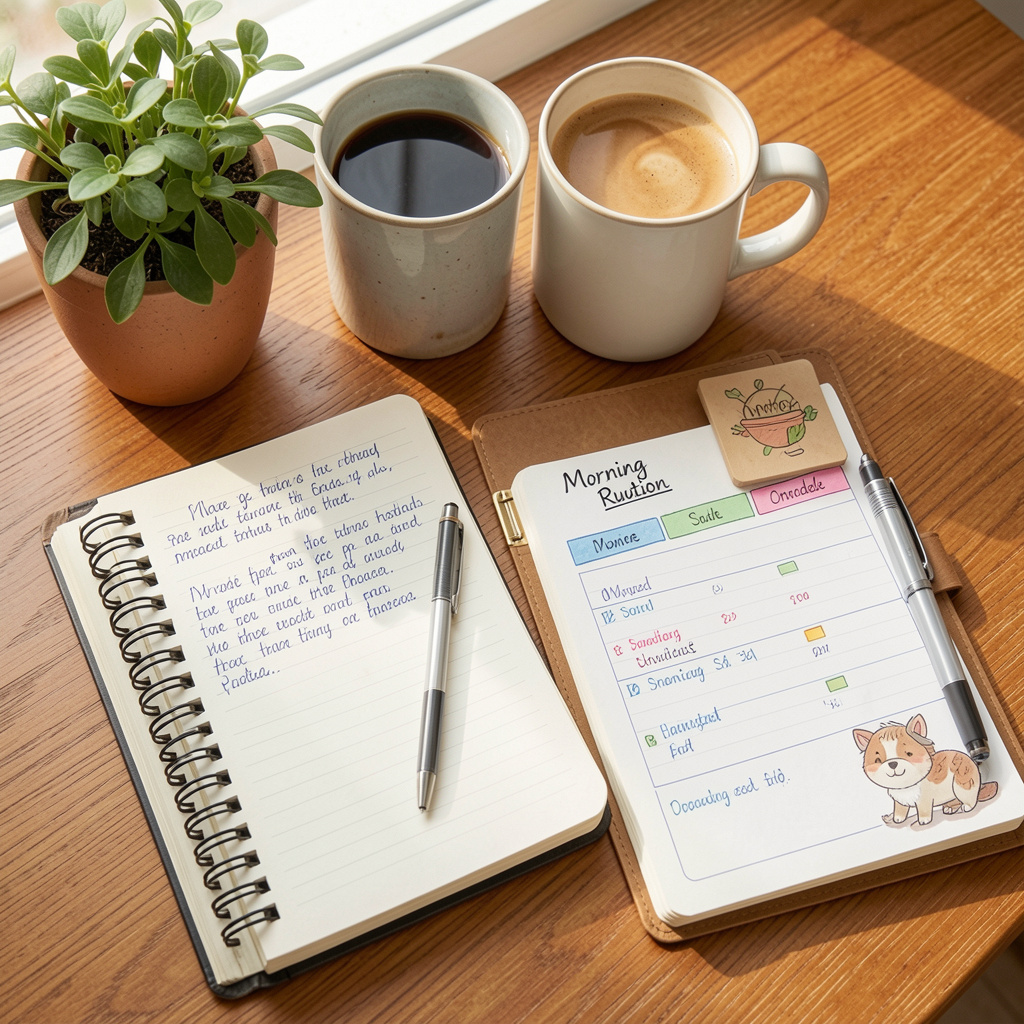
Starting your day with consistent activities can set a positive tone. This might include hydration, movement, planning, or any practice that helps you feel prepared and centered.
Establishing regular patterns for your work or study time, including when you start, how you structure breaks, and when you conclude, can enhance both productivity and work-life boundaries.
Eating at relatively consistent times each day can support stable energy levels and may contribute to better metabolic regulation and overall well-being.
Incorporating regular physical activity into your routine, whether morning stretching, midday walks, or evening exercise, supports both physical and mental health.
Creating a consistent wind-down routine signals to your body and mind that it is time to transition toward rest, potentially supporting better sleep quality.
Setting aside time each week to reflect on what went well and what you might adjust helps you continuously refine your routines to better serve your needs.
A practical framework for designing routines that fit your lifestyle and support your goals
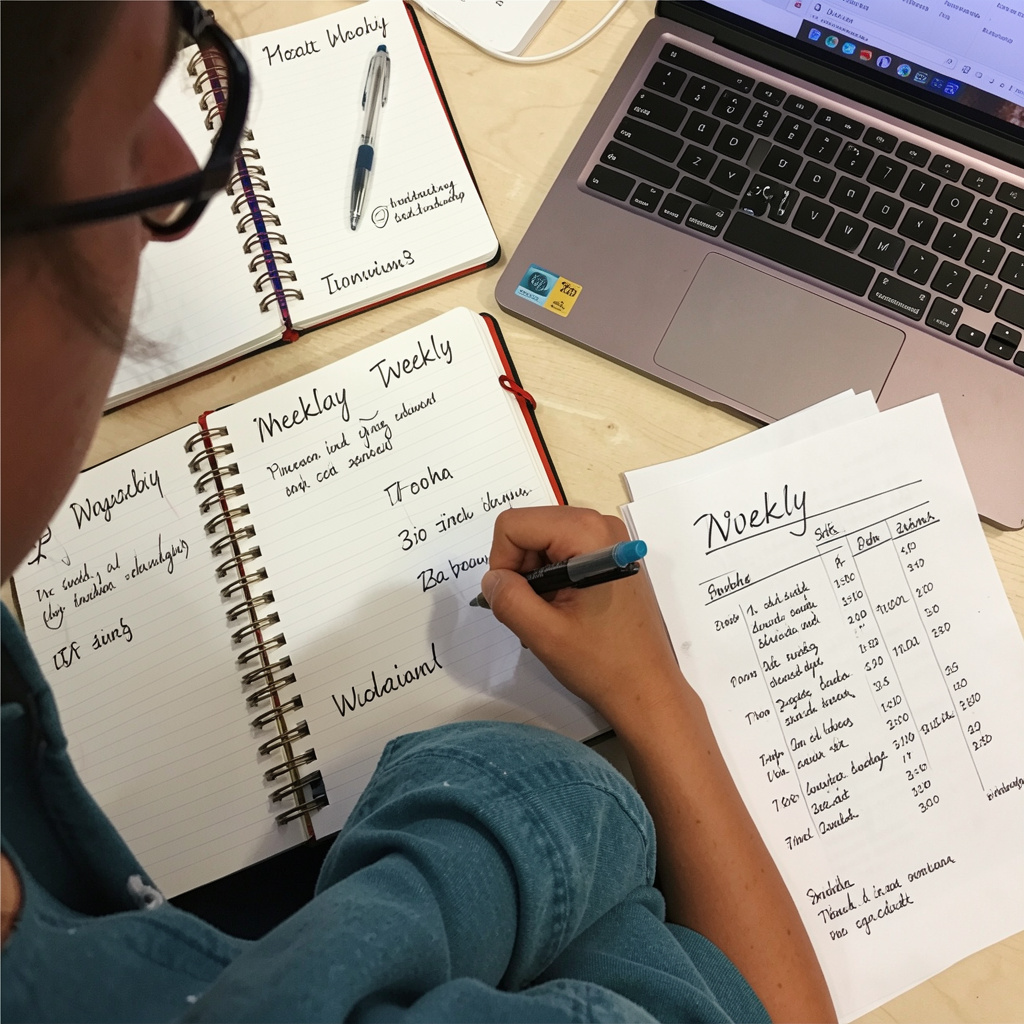
Start by identifying your non-negotiable commitments and natural energy patterns. Some people are most alert in the morning, while others hit their stride later in the day. Design your routine to work with, rather than against, your natural rhythms.
Keep your initial routine simple. Choose two or three key activities to establish first, rather than trying to overhaul your entire day at once. As these become more automatic, you can gradually add additional elements.
Build in flexibility. Life is unpredictable, and rigid routines that cannot accommodate occasional disruptions are likely to be abandoned. Consider what is essential versus what is ideal, and be prepared to adapt when necessary.
Link new habits to existing ones. This technique, sometimes called habit stacking, involves attaching a new behavior to something you already do consistently, making it easier to remember and implement.
Choose routines that feel manageable rather than overwhelming. A simple routine you can maintain is more valuable than an elaborate one you abandon after a week.
Keeping a simple record of your routine adherence can provide motivation and help you identify patterns. This does not need to be complex—a simple checkmark system often suffices.
Reduce friction by preparing what you need the night before. This might include laying out clothes, preparing breakfast ingredients, or organizing your workspace.
If a routine element consistently feels like a struggle, consider whether it needs modification rather than forcing yourself to continue with something that is not working.
Acknowledge your progress, even small victories. Recognizing your consistency can reinforce the behavior and increase motivation to continue.
Anticipate that your routine will occasionally be interrupted by travel, illness, or other life events. Having a simplified version of your routine for these times can help you maintain some consistency.
All materials and practices presented are for educational and informational purposes only and are intended to support general well-being. They do not constitute medical diagnosis, treatment, or advice. Before applying any practice, especially if you have chronic conditions, consult a qualified healthcare professional.